Setting up the Lab
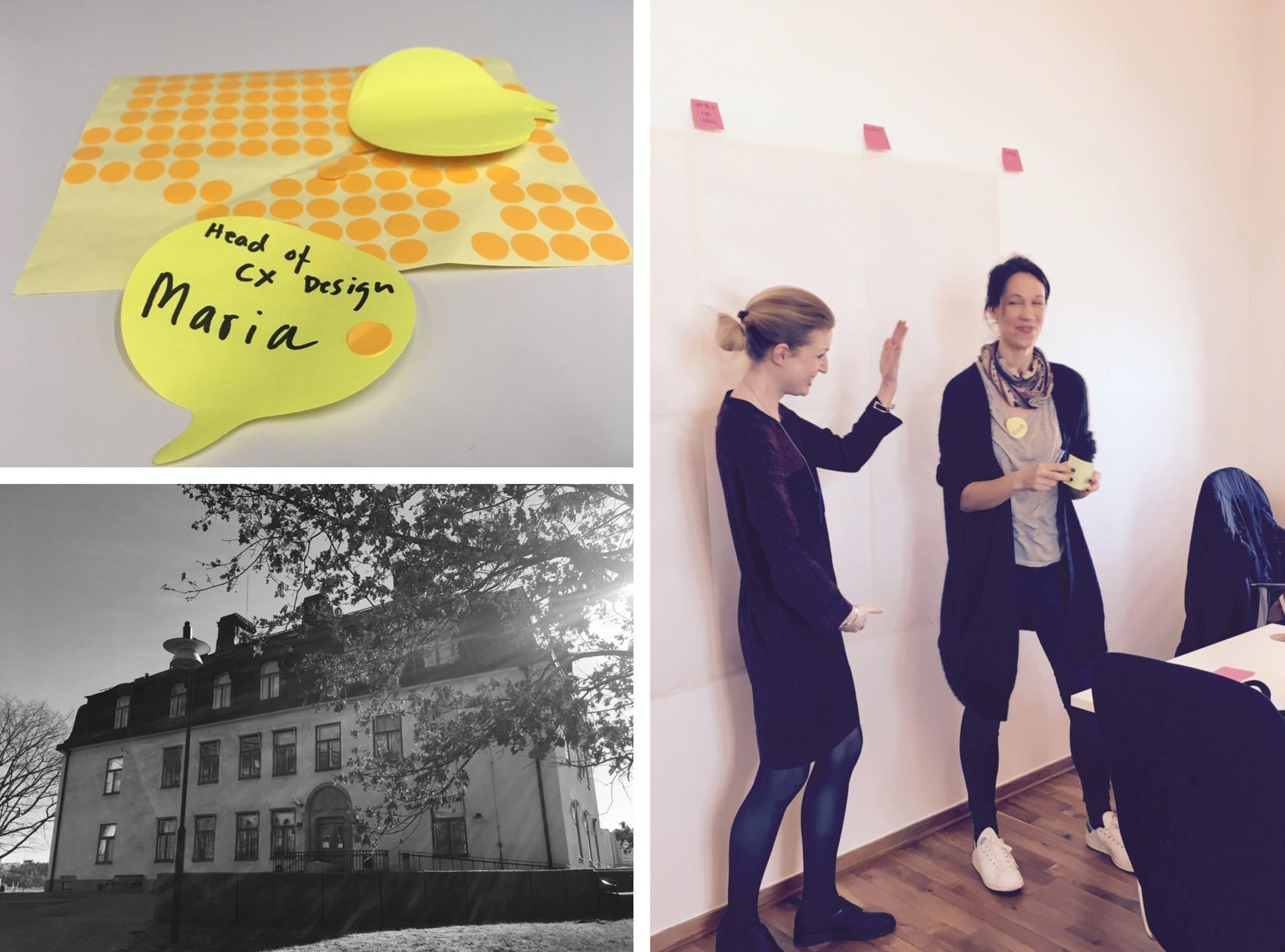
The first task wasn't to design anything. It was to establish the conditions under which good design could happen consistently. That meant creating a shared foundation: principles, ways of working, key performance and experience indicators, and a culture that could survive the friction of a large, traditional organisation. Fjord led the initial setup — training around 100 Fortum employees in service design methods across all locations, and building digital brand guidelines that the whole Lab would work from. Nordkapp and the other partners then joined specific streams, handpicked to match the challenges in each programme. This structure meant the Lab could scale across programmes — solar, home charging, digital products — while maintaining a consistent approach and shared values. The shift this required inside Fortum was significant. Agile methods, rapid iteration, and co-creation with customers were genuinely new. Engineers and product managers who had never worked alongside designers had to find a rhythm together. In a technology-led organisation, putting customer insight ahead of technical possibility is a cultural change, not just a process change.
"I was very doubtful at first, but as I now see how you work I have changed my mind of Fortum as an old-fashioned energy company." — A Fortum team member during the Lab's first year.
What the Lab produced
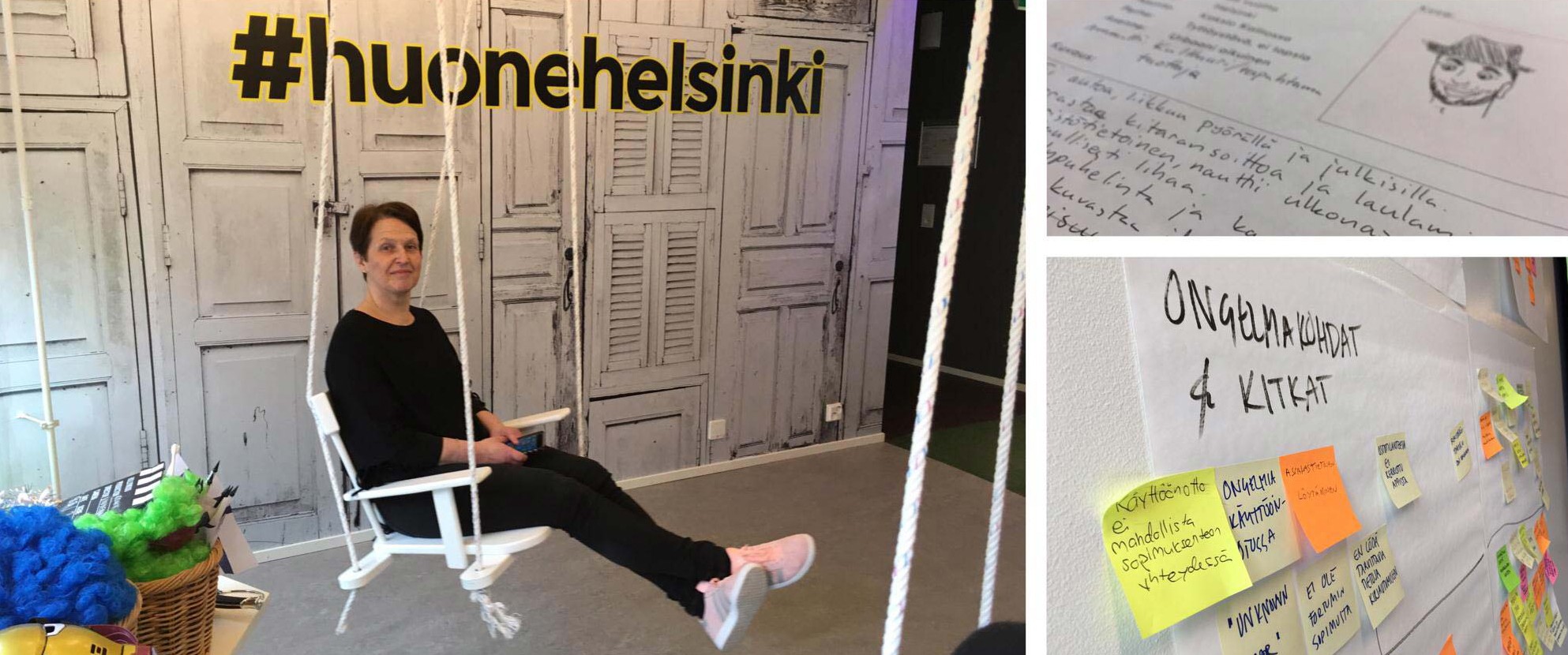
Within nine months of launch, the Lab had shipped the new OmaFortum application in Finland, released the Aurinkolaskuri solar benefit calculator for homeowners, and started home EV charging sales for B2B customers in Sweden. These were real products in the market — not prototypes or pilots. By the end of the first year, the Lab had expanded to four countries and was running six active service streams with over 30 designers working inside the company. Poland joined in autumn 2016. Each stream ran with multiple vendor partners and Fortum's own Lab core team — a deliberately flat structure where ideas came from anywhere and the best ones got built. The Lab model proved something important: customer-centric transformation in a large organisation is possible, but it requires structural commitment, not just good intentions. Embedding designers inside the business, giving them real authority over products, and building shared rituals and culture over time — that's what makes the shift sustainable rather than episodic.
4 global Design Labs. 6 active service streams. 30+ designers working inside a major energy company. Each of those numbers represents a concrete change in how Fortum makes decisions about products and customers.
Next projects.
(2016-25©)