Getting the foundations right
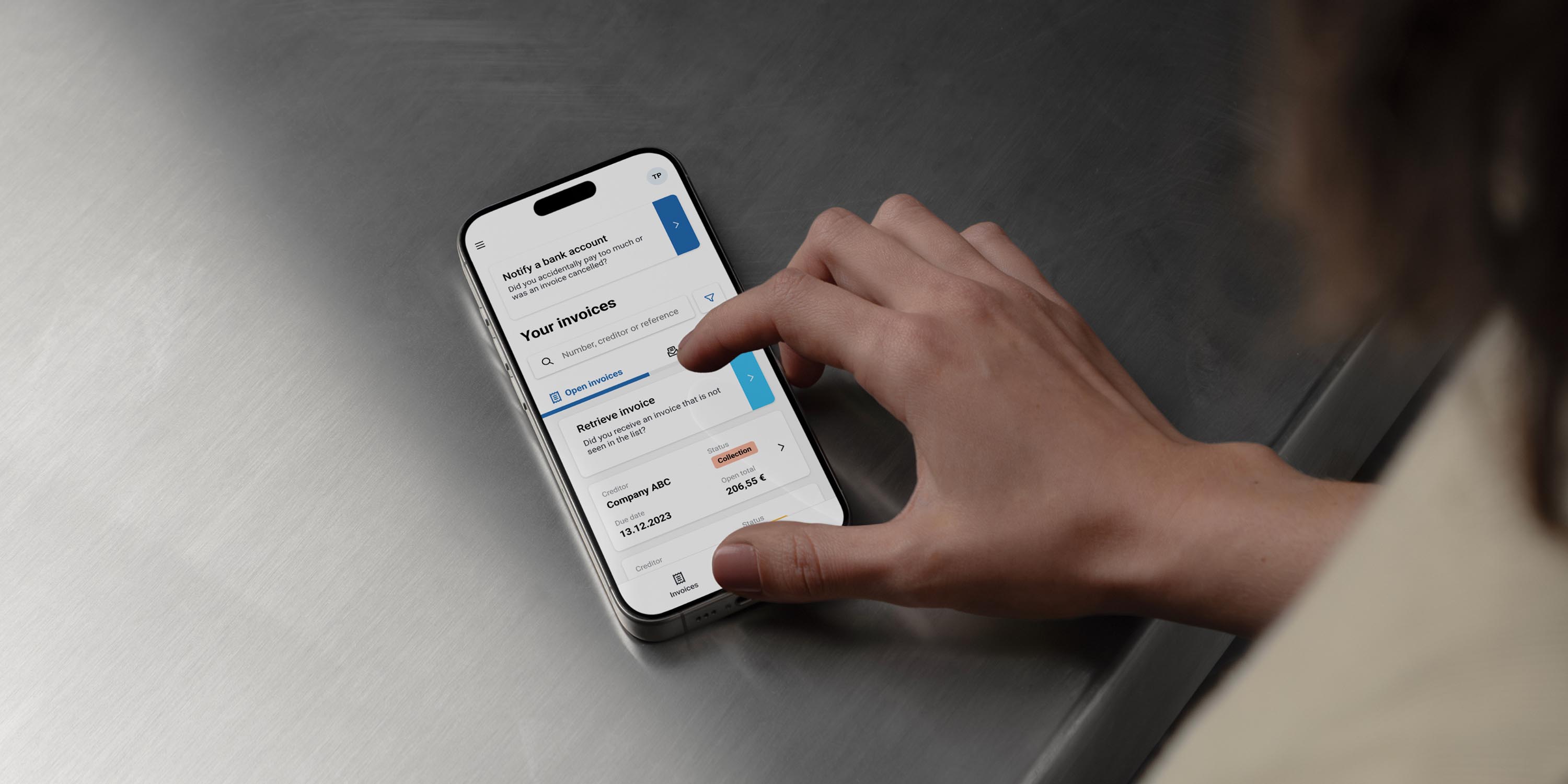
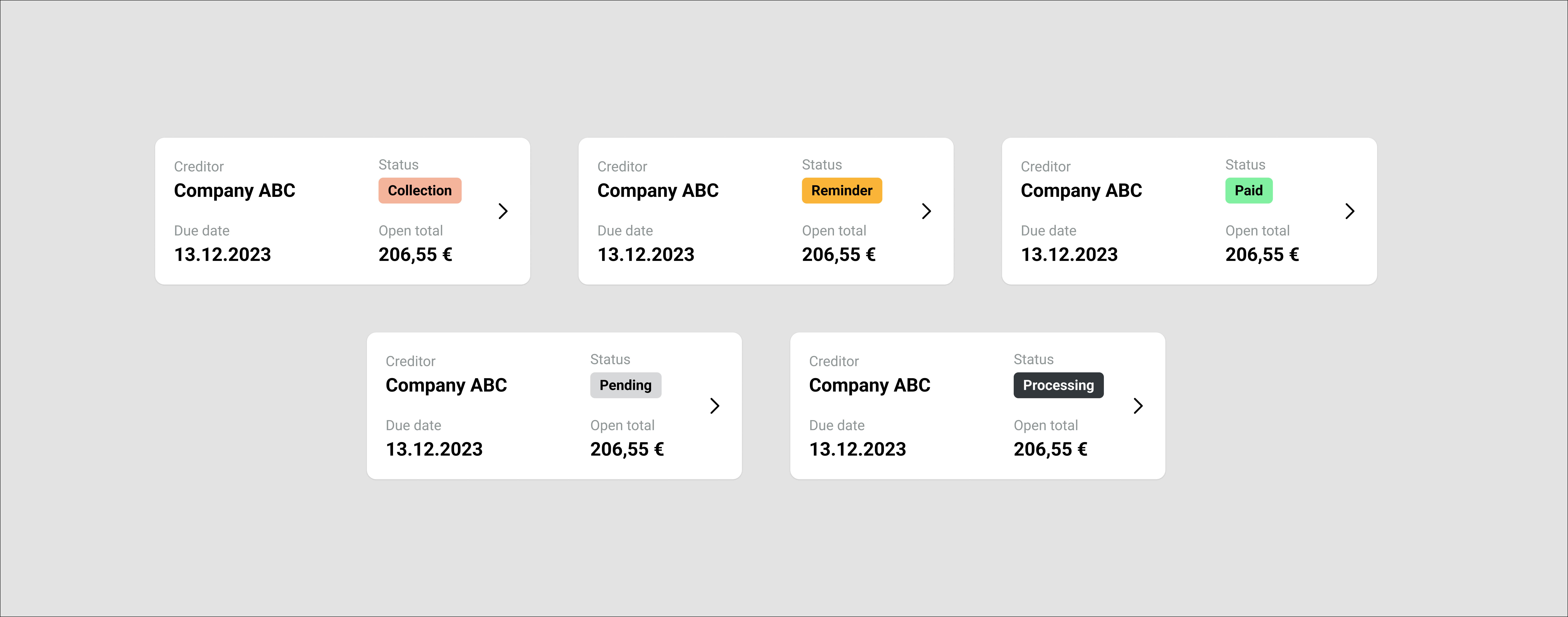
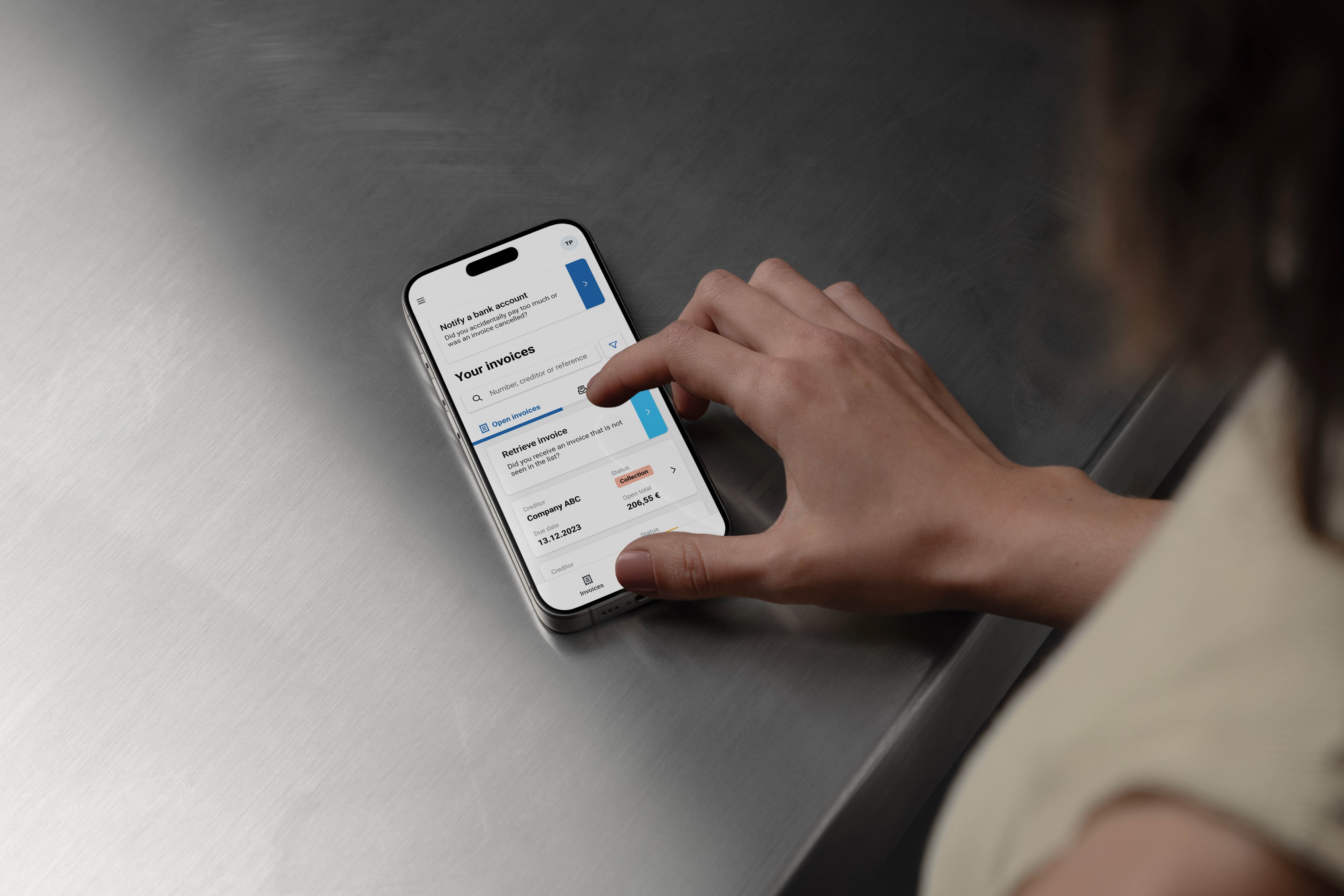
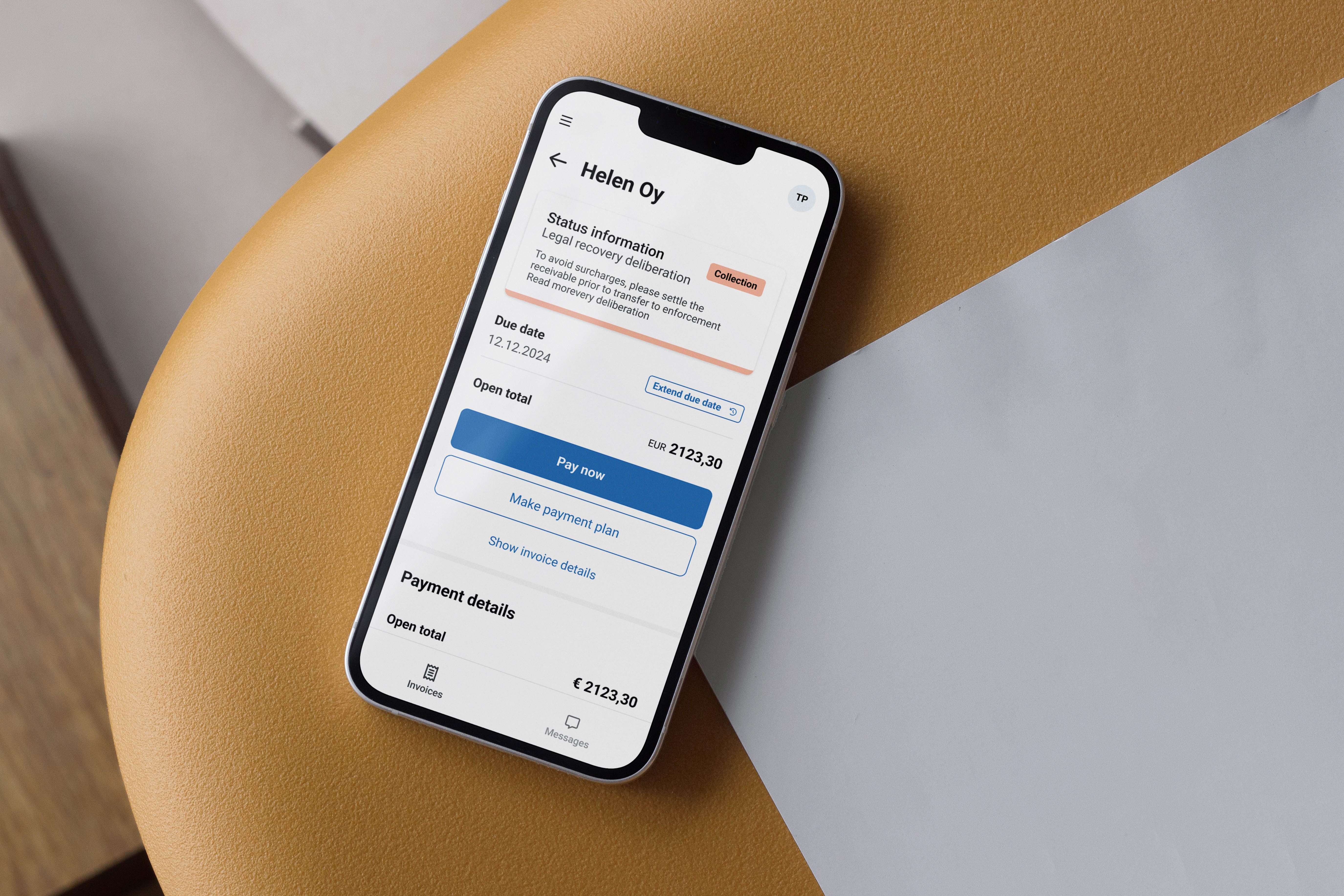
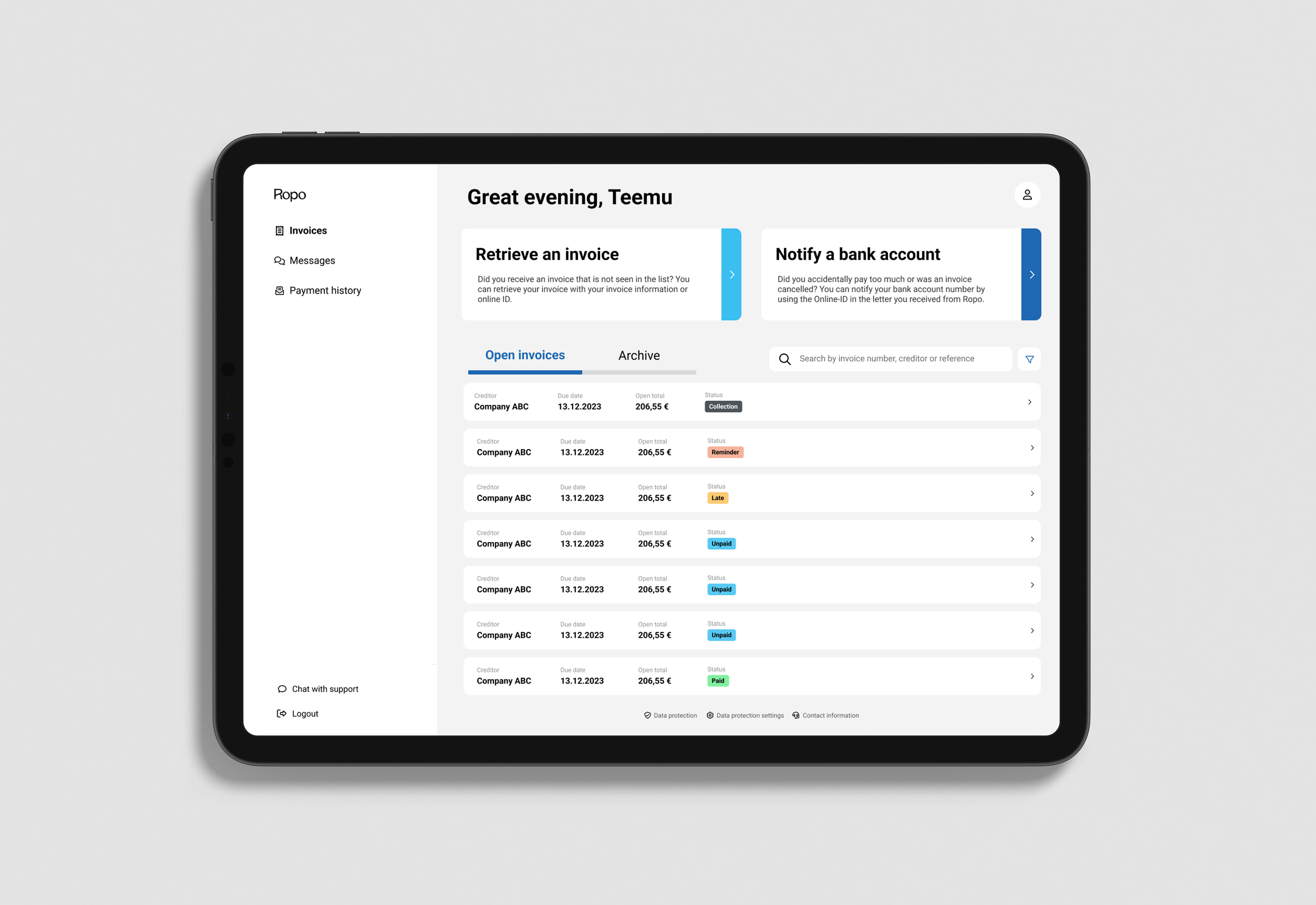
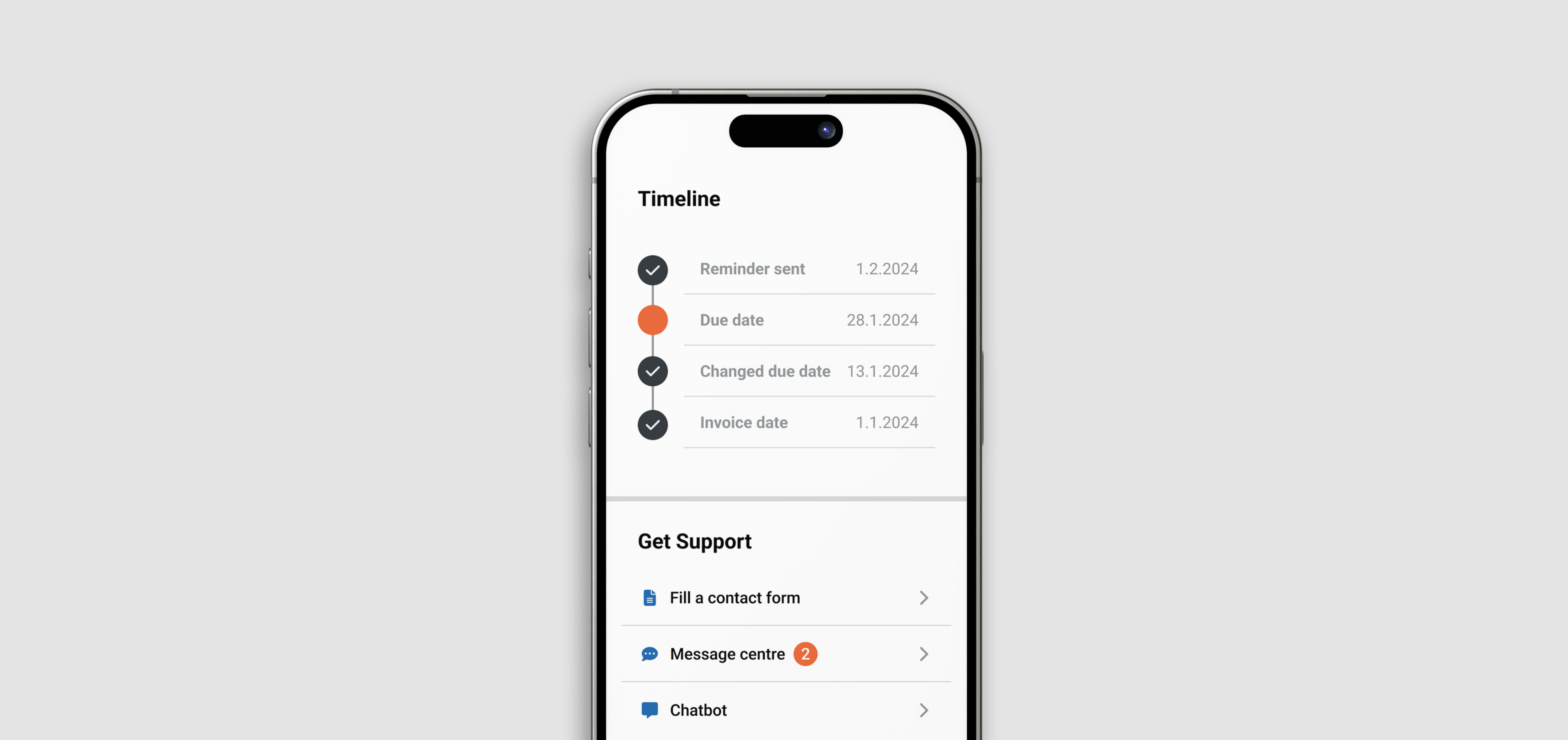
The project began with a two-day on-site workshop at Ropo's head office in Kuopio, Finland. Working in person made a difference — it built trust with stakeholders quickly and made communication in the design process sharper. Before the workshop, we benchmarked relevant in-category and cross-category competitors and built a clear picture of the current service. During the two days, we mapped the entire service with Ropo's technical and business development teams, co-designed the information architecture, prioritised key features, and broke down the full range of invoice statuses that would govern the user experience. This groundwork proved essential: invoice management is a domain where the devil is entirely in the detail. Getting the status logic right was the foundation everything else rested on. We then conceptualised the first version of the new service based on customer feedback, service metrics, and interviews compiled by Ropo's team. The primary goal was to clarify the lifecycle of invoices and the status of payments — making sure users could understand their situation at a glance and take action without needing to contact support.
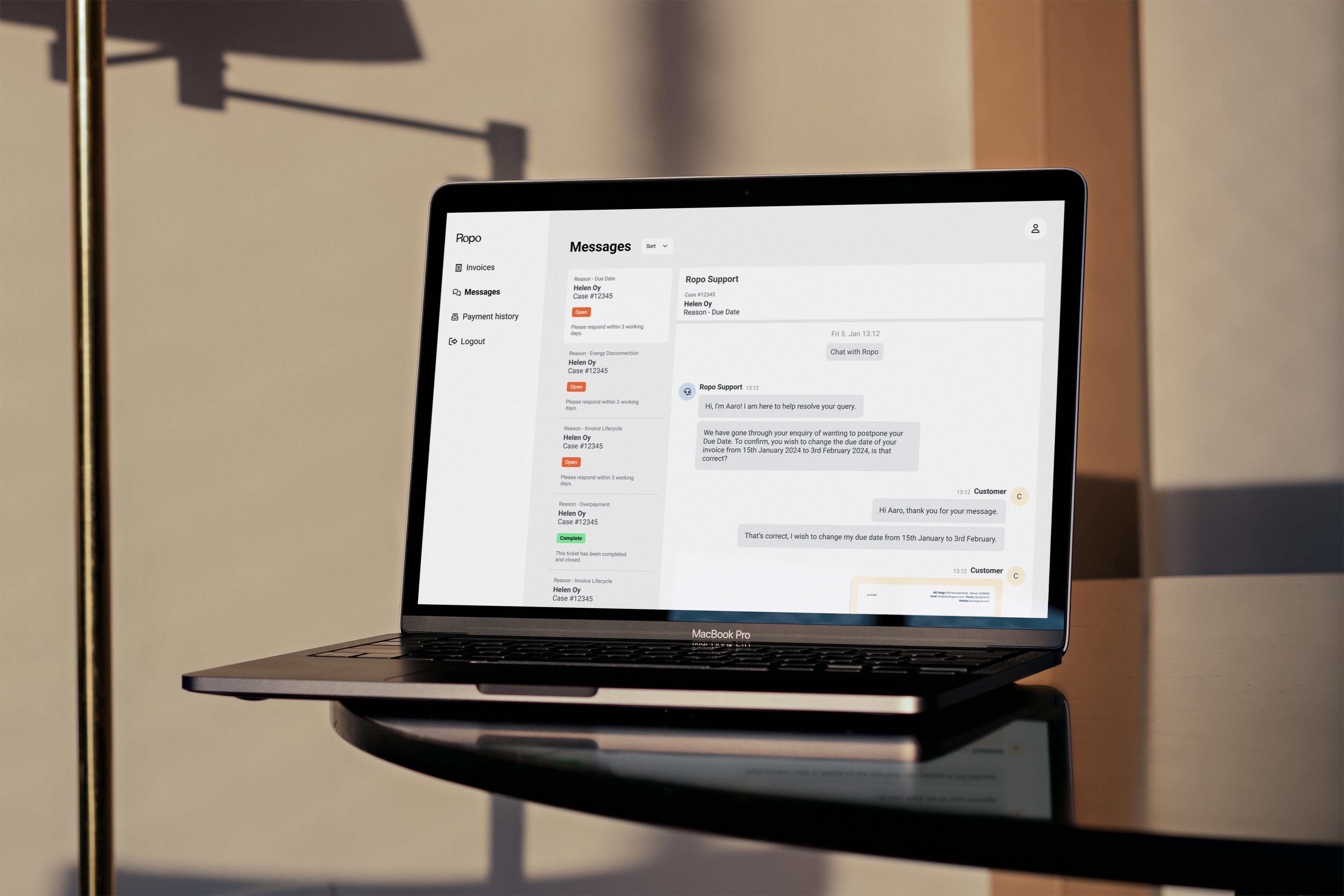
The Message Center was designed specifically to intercept common queries before they reached the customer service team — turning reactive support into proactive self-service.
Results that show up in the data
The redesign was built iteratively, with multiple prototypes validated with the client throughout the process. This kept the work grounded in real user needs and gave Ropo's team confidence in each design decision before it was committed to development. Nordkapp built the full UX of the service and delivered a foundational design library to support Ropo's internal teams in future development work. The outcomes were concrete and measurable. NPS improved significantly, and customer service contact volume dropped — demonstrating that the redesign had achieved its core goal: users could now understand and manage their invoices without needing help. The project also left Ropo with reusable assets and a design system foundation — infrastructure that will speed up future development rather than requiring each new feature to be designed from scratch.
NPS increased from 29 to 40. Monthly customer service requests dropped 30% — from 11,000 to 8,000. Both metrics moved in the right direction, and both were directly tied to the redesign.
Next projects.
(2016-25©)